What Are Brand Equity Survey Questions?
Brand equity survey questions are designed to measure how customers perceive, trust, and recognize a brand.
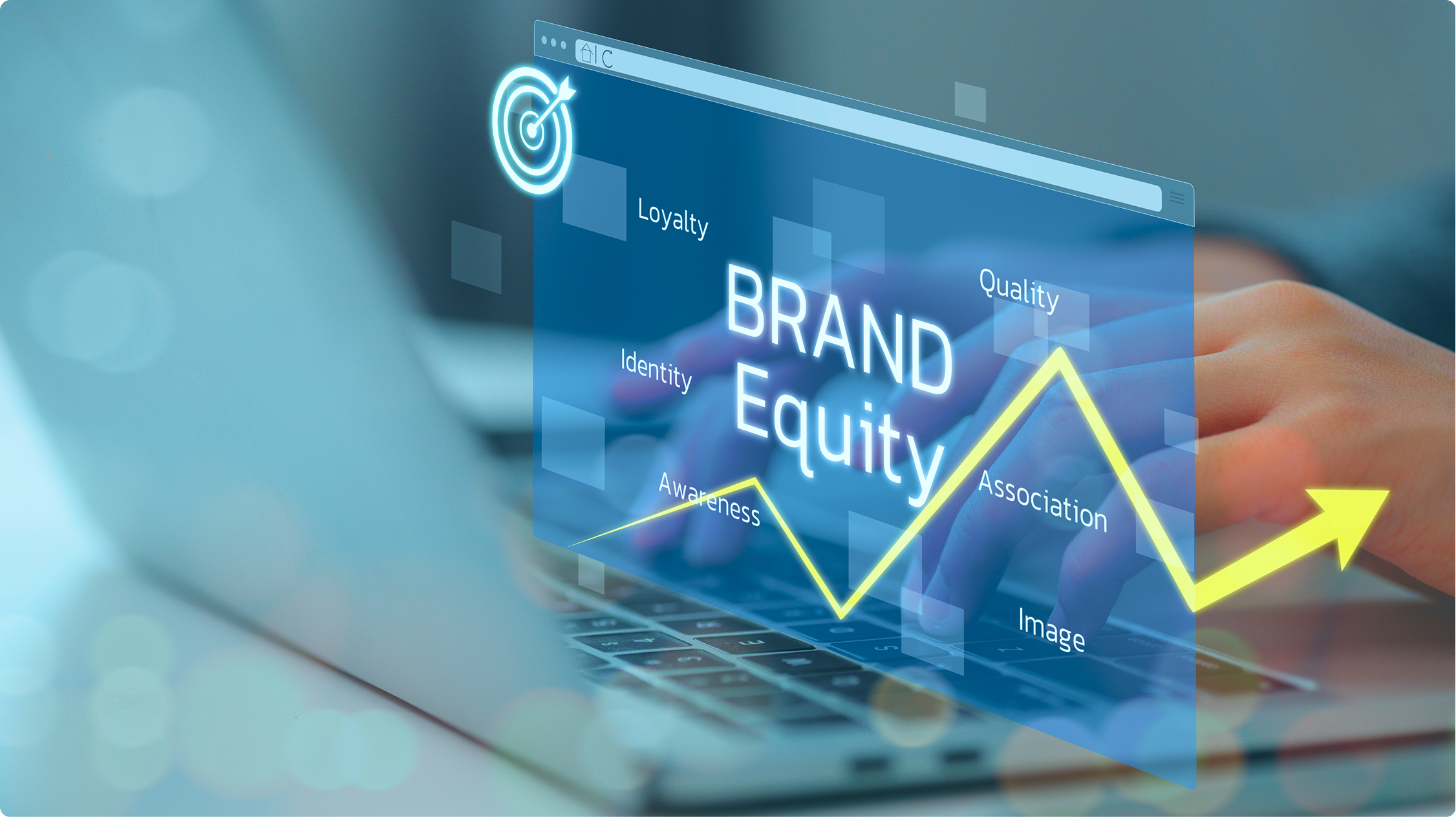
Effective brand equity survey questions focus on brand awareness, perceived quality, brand associations, and customer loyalty. When businesses measure these factors regularly, they gain a clearer understanding of how their brand performs in the market.
Companies use brand equity surveys to understand:
Brand awareness in the market
Customer perception of brand value
Trust and credibility of the brand
Emotional connection with customers
Customer loyalty and advocacy
Brand equity surveys are commonly used by:
Marketing teams
Brand strategists
Product teams
Consumer research teams
These insights help businesses refine branding strategies, messaging, and customer experience.
Create a Quiz using Kiwiform
25 Brand Equity Survey Questions
Below are 25 brand equity survey questions that help organizations measure brand awareness, perception, and loyalty.
Brand Awareness Questions
These questions measure how familiar customers are with your brand.
How familiar are you with our brand?
Where did you first hear about our brand?
Which brands come to mind when you think about this product category?
How often do you see or hear about our brand?
How likely are you to recognize our brand among competitors?
Brand Perception Questions
These questions help understand how customers perceive the brand.
How would you describe our brand in a few words?
What qualities do you associate with our brand?
How trustworthy do you consider our brand?
How innovative do you think our brand is?
How well does our brand meet your expectations?
Brand Value Questions
These questions evaluate how customers perceive the value of your brand.
How would you rate the overall value provided by our brand?
How does our brand compare to competitors?
What makes our brand stand out in the market?
How likely are you to choose our brand over alternatives?
What factors influence your decision to choose our brand?
Brand Loyalty Questions
These questions measure long-term customer loyalty.
How likely are you to purchase from our brand again?
How likely are you to recommend our brand to others?
What keeps you loyal to our brand?
What might cause you to switch to another brand?
How satisfied are you with your experience with our brand?
Brand Experience Questions
Customer experience plays a major role in brand equity.
How consistent is your experience with our brand?
How well does our brand communicate its values?
What is your overall impression of our brand?
What could improve your experience with our brand?
What words best describe our brand personality?
How Marketing Teams Measure Brand Equity with Kiwiform
Measuring brand perception requires surveys that are easy for customers to complete and simple for teams to analyze. Many marketing teams use Kiwiform to run brand equity surveys that collect structured feedback from customers and audiences.
With Kiwiform, organizations can:
Create interactive brand perception surveys
Use conditional logic to personalize questions
Share surveys through links, embeds, or QR codes
Collect and analyze responses in one place
Because Kiwiform supports unlimited forms and unlimited responses, marketing teams can continuously monitor brand perception across campaigns, audiences, and product launches.
Measure your brand perception with Kiwiform
Why Brand Equity Surveys Matter
Brand equity surveys provide measurable insights into brand perception and market positioning.
Businesses use these surveys to:
Track brand awareness growth
Understand customer trust levels
Improve marketing messaging
Strengthen brand positioning
Identify areas for improvement
When companies monitor brand perception regularly, they can adapt strategies and maintain strong relationships with customers.
Tips for Writing Effective Brand Equity Survey Questions
Creating effective brand equity surveys requires thoughtful question design.
Focus on perception rather than assumptions
Ask customers how they actually view the brand.
Measure multiple dimensions
Include awareness, perception, loyalty, and experience.
Avoid leading questions
Questions should remain neutral to collect unbiased insights.
Keep surveys concise
Shorter surveys encourage higher response rates.
Combine quantitative and qualitative feedback
Ratings provide measurable data, while open responses reveal deeper insights.
Common Mistakes in Brand Equity Surveys
Brand perception research can become unreliable if surveys are poorly designed.
Avoid these common mistakes:
Asking biased or leading questions
Measuring only brand awareness
Ignoring emotional brand associations
Asking too many questions
Not analyzing survey results consistently
Effective surveys focus on clear questions that reveal meaningful insights about customer perception.
Final Thoughts
Strong brands are built on consistent perception, trust, and customer experience. Measuring brand equity requires understanding how customers view your brand across different touchpoints.
With Kiwiform, marketing teams can run structured brand surveys, gather perception data at scale, and track changes over time, enabling more informed decisions around branding and positioning.
Start building brand equity surveys with Kiwiform